
NCLEX Practice Questions — Set 53
How to use this set
Run it as a timed block rather than dipping in and out. 100 items at roughly a minute each is close to the pace the real exam asks for, and pacing is a skill that only improves under a clock. Answer every item before you open a single rationale — checking as you go turns a test into a reading exercise and hides the questions you were unsure about.
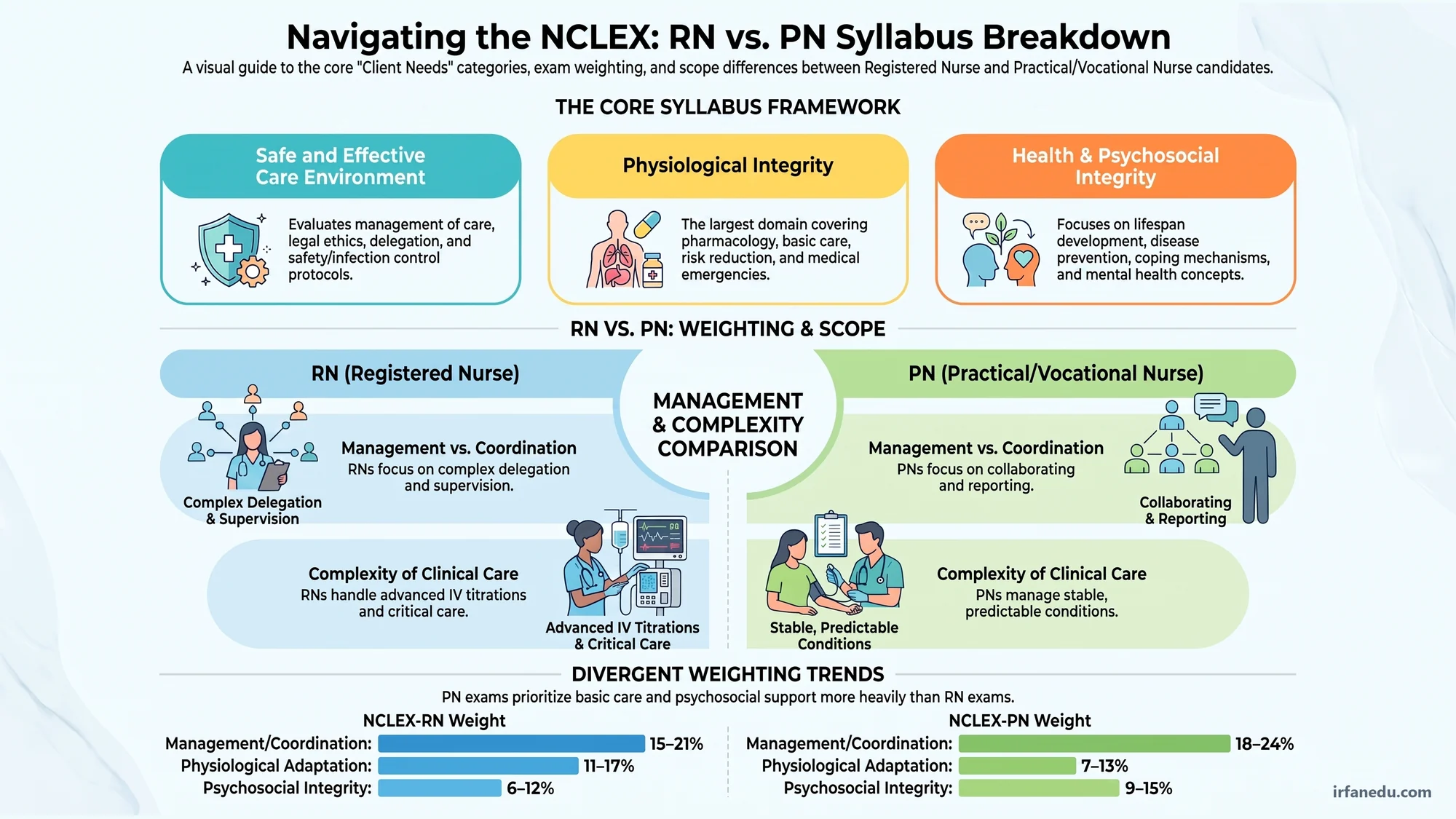
These sets are numbered rather than sorted by subject. The questions come from a general NCLEX bank that carries no topic field, and labelling them by eye would put a share of them under the wrong heading, so they are presented as mixed sets — which is how the exam itself arrives.
The 100 questions
A nurse is reviewing a patient’s medication. Which of the following is considered a potassium sparing dieuretic?
Show answer and rationale
Correct answer: A. Aldactone
Aldactone (Spironolactone) is considered a potassium sparing diuretic.
A nurse is reviewing a patient’s medication. The patient is taking Digoxin. Which of the following is not an effect of Digoxin?
Show answer and rationale
Correct answer: B. Increased venous pressure
Digoxin decreases venous pressure.
A patient has been instructed by the doctor to reduce their intake of Potassium. Which types of foods should not worry about avoiding?
Show answer and rationale
Correct answer: B. Apples
All the others are high in potassium.
A patient’s chart indicates the patient is suffering from Digoxin toxicity. Which of the following clinical signs is not associated with digoxin toxicity?
Show answer and rationale
Correct answer: D. Normal ventricular rhythm
Ventricular rhythm may be premature with Digoxin toxicity
A fourteen year old male has just been admitted to your floor. He has a history of central abdominal pain that has moved to the right iliac fossa region. He also has tenderness over the region and a fever. Which of the following would you most likely suspect?
Show answer and rationale
Correct answer: D. Appendicitis
Appendicitis is most likely indicated in this case.
A thirteen-year old male has a tender lump area in his left groin. His abdomen is distended and he has been vomiting for the past 24 hours. Which of the following would you most like suspect?
Show answer and rationale
Correct answer: B. Strangulated hernia
A hernia is the most likely indicated in this case.
Which of the following is the key risk factor for development of Parkinson’s disease dementia?
Show answer and rationale
Correct answer: A. Use of phenothiazines
Penothiazines are considered a risk factor for Parkinson’s disease dementia.
A father notifies your clinic that his son’s homeroom teacher has just been diagnosed with meningitis and his son spent the day with the teacher in detention yesterday. Which of the following would be the most likely innervention?
Show answer and rationale
Correct answer: C. Treatment of the son with Rifampicin
Rifampicin would be used in this case.
A patient has recently been diagnosed with hyponatremia. Which of the following is not associated with hyponatremia?
Show answer and rationale
Correct answer: A. Sticky mucous membranes
Stick mucuous membranes are associated with hypernatremia.
A patient has recently been diagnosed with hypernatremia. Which of the following is not associated with hypernatremia?
Show answer and rationale
Correct answer: C. Hypotension
Hypotension would be associated with hyponatremia.
Which of the following normal blood therapeutic concentrations is abnormal?
Show answer and rationale
Correct answer: B. Digoxin .5 – 1.6 ng/ml
The normal ranges for Digoxin is .7 – 1.4 ng/ml.
Select the member of the healthcare team that is paired with one of the main functions of this team member.
Show answer and rationale
Correct answer: C. Speech and language therapist: The treatment of swallowing disorders
Speech and language therapists assess and treat patients with a swallowing disorder; they also assess and treat patients with speech and communication problems as often occurs after a cerebrovascular accident, or stroke. Occupational therapists assist patients with their activities of daily living and they also provide patients with assistive devices to facilitate eating and dressing. Physical therapists perform rehabilitation and restorative care including help with ambulation and balance/gait exercises. Lastly, case managers coordinate care along the continuum of care and they manage insurance reimbursements.
The recommended daily caloric intake for sedentary older men, active adult women and children is:
Show answer and rationale
Correct answer: A. 2000 calories
Sedentary older men, active adult women and children should all have 6 ounces of grains, 2� cups of vegetables, 2 cups of fruits, and 3 cups of milk to help make up their 2000 calorie requirement. Sedentary adolescents require 2400 calories, sedentary women and children require 1600 calories and active adolescents need 2800 calories daily.
Ill health, malnutrition, and wasting as a result of chronic disease are all associated with:
Show answer and rationale
Correct answer: D. Cachexia
Ill health, malnutrition, and wasting as a result of chronic disease are all associated with cachexia. Cachexia can also result from dehiscence of a surgical incision or rupture of wound closure. Surgical asepsis refers to using a sterile technique to protect against infection before, during, and after surgery. The breakdown of tissue, especially after severe trauma or crush injuries is known as catabolism. Venous stasis is a disorder related to pooling of blood in a vein of the body; venous stasis typically occurs in the lower extremities and it is one of the many hazards, or complications, of immobilization.
Select all the possible opportunistic infections that adversely affect HIV/AIDS infected patients.
Show answer and rationale
Correct answer: C. Kaposi’s sarcoma, Peripheral neuropathy,Toxoplasma gondii
Kaposi’s sarcoma, tuberculosis, toxoplasma gondii, mycobacterium avium, herpes simplex, histoplasmosis and salmonella infections are HIV/AIDS associated opportunistic infections. Although many affected patients can experience blindness and peripheral neuropathy, these disorders result from impaired nervous system damage rather than an infection. Lastly, Wilms’ tumor is a pediatric form of kidney cancer and it is neither an infection nor something that typically affects the patient with HIV/AIDS.
What can help reduce a patient’s anxiety and postsurgical pain?
Show answer and rationale
Correct answer: D. Preoperative teaching
Patient teaching before surgery not only helps to reduce a patient’s anxiety and postsurgical pain but it also decreases the amount of anesthesia needed and a lack of anxiety additionally speeds up wound healing. Preoperative checklists are a form of nursing documentation that is used to guide and document the care of the patient before surgery. Psychological counseling is typically NOT necessary except under highly unusual circumstances and preoperative medication can decrease the amount of anesthetic needed and respiratory tract secretions but it does not help with postoperative pain.
Which disease decreases the metabolic rate?
Show answer and rationale
Correct answer: D. Hypothyroidism
Hypothyroidism causes a decreased metabolic demand, so fewer calories are required. Cancer, chronic obstructive pulmonary disease, or cardiac failure all increase the metabolic demands and the need for added calories.
When caring for an infant during cardiac arrest, which pulse must be palpated to determine cardiac function?
Show answer and rationale
Correct answer: B. Brachial
The brachial pulse is the most accessible pulse on an infant and, therefore, it is the site of choice. The carotid pulse may be difficult to palpate due to the fatty tissue that typically, and often, surrounds an infant’s neck. Lastly, the radial and pedal pulses may not be reliable indicators of cardiac function.
The patient should be sitting when deep breathing and coughing� because this position:
Show answer and rationale
Correct answer: B. Helps the patient to support their incision with a pillow
The patient should be sitting when deep breathing and coughing because this position allows the patient to be better able to splint the incision with a pillow which provides abdominal support during coughing. It also allows the lungs to more fully expand because the diaphragm drops. The most comfortable position for the patient is the supine position; however, this position does not permit the lungs to fully expand. There is no association or correlation between loosening respiratory secretions or relaxation with this sitting position.
Which procedures necessitate the use of surgical asepsis techniques? Select all that apply.
Show answer and rationale
Correct answer: A. Central line intravenous medication administration, Emptying a urinary drainage bag, Donning gloves in the operating room
Surgical asepsis is used when managing central line intravenous medication administration, when donning sterile gloves in the operating room and when inserting an indwelling Foley catheter. Medical asepsis, or clean technique, is used when bathing a neonate, when emptying a urinary drainage bag and when administering an intramuscular medication injection.
What is the ultimate purpose and goal of performance improvement activities?
Show answer and rationale
Correct answer: B. To improve processes
The ultimate purpose of quality improvement activities is to identify process flaws and then to change the process so that it is fail proof. Fail proof processes prevent human error and possible patient harm. Although these process improvements and changes may also increase efficiency and decrease costs, the ultimate goal of quality improvement activities is to prevent future occurrences with process changes and not costs and efficiency. Lastly, it is known that processes, not policies, are the root cause of many medical errors.
The primary difference between practical nursing licensure and a nursing certification in an area of practice is that nursing licensure is:
Show answer and rationale
Correct answer: D. Is legally mandated by the states and a nursing certification is not.
The primary difference between practical nursing licensure and a nursing certification in an area of practice is that nursing licensure is legally mandated by the states and NOT the American Nurses Association and a nursing certification is not mandated. To practice nursing without a current and valid license is contrary to the law. Nursing licenses are renewed every two years and nursing certifications are typically renewed every three years, however, this may vary according to the particular certification. Passing the NCLEX examination and receiving a nursing license indicates that the graduate has at least the minimal competency necessary to provide safe patient care. Nursing certifications, on the other hand, validate expertise in a particular area of nursing practice.
What intervention is the best to relieve constipation during pregnancy?
Show answer and rationale
Correct answer: A. Increasing the consumption of fruits and vegetables
Dietary roughage (or fiber) with sufficient fluids and exercise may help relieve constipation. Over-the-counter medications should be avoided during pregnancy. The supine position can place additional pressure on the aorta and vena cava, leading to vena cava syndrome. A reduction of iron supplements during pregnancy may reduce hemoglobin production and result in a less than an effective immune system.
You are the LPN working on 2 east with adult medical surgical patients. Your unit has been instructed to perform a horizontal evacuation of your patients because there is a fire on 1 east. Where will you evacuate your patients to?
Show answer and rationale
Correct answer: C. 2 west
You would evacuate your patients to west. A horizontal evacuation is the movement of patients to another area of the same floor. A vertical evacuation is the movement of patients to a different floor or level of the building. Patient evacuations are done to prevent patient injury. Under no circumstances should the elevators be used for evacuations.
Which electrolyte is essential for enzyme and neurochemical activities?
Show answer and rationale
Correct answer: D. Magnesium
Magnesium is essential for enzyme and neurochemical activities and it is also needed for cardiac and skeletal muscle excitability. Chloride is the most abundant negatively charged ion in extracellular fluid with potassium being the most abundant positively charge ion. Phosphate assists in acid-base regulation.
As you are working you suspect that another licensed practical nurse is verbally and physically abusing a patient. What is the first thing that you will do?
Show answer and rationale
Correct answer: C. Report your suspicions to the charge nurse
Nurses and other healthcare providers are mandated by law to report all suspected abuse and neglect. You do NOT have to be certain about it; an expert will perform the investigation. You do not contact the police or the security department; the charge nurse will follow established procedures for notifications not the licensed practical nurse.
Which of the following is the World Health Organization’s (WHO) definition of health?
Show answer and rationale
Correct answer: D. A holistic state of wellbeing
The World Health Organization (WHO) defines health as a holistic (wholistic) state of wellbeing. This state of wellbeing is far more than the absence of illness, diseases and comorbidities. Lastly, the use of health promotion activities does promote health but these activities do not define health according to the World Health Organization.
Which nursing theorist believes that most patients are capable of performing self care?
Show answer and rationale
Correct answer: C. Dorothea Orem
Dorothea Orem developed the Self Care theory or model. This theory maintains that some patients are completely compensatory and totally dependent on the nurse for care, other patients are partially compensatory and need only assistance by the nurse and others are totally independent in terms of their self care needs. Madeleine Leininger developed the Transcultural Nursing theory; Martha Rogers developed the Science of Unitary Human Beings theory and Sister Callista Roy developed the Adaptation theory of nursing practice.
What element is minimally assessed during a basic prenatal physical examination?
Show answer and rationale
Correct answer: B. Urinalysis for glucose, protein and ketones
A urinalysis is considered routine during the prenatal examination. Assessment of the cervix, vagina, anus, rectum, and palpation and auscultation of the abdomen may not be checked until a complete gynecologic examination is done by the doctor.
A positive over-the-counter pregnancy test is considered a:
Show answer and rationale
Correct answer: B. Probable sign of pregnancy.
A positive pregnancy test and changes in the reproductive organs are both considered probable signs of pregnancy. Presumptive signs include amenorrhea, frequent urination and pigment changes in skin. Determining the estimated day of birth or delivery (EDB or EDD) is considered to be a positive sign of pregnancy.
Select all of the signs and symptoms of hyperthyroidism.
Show answer and rationale
Correct answer: B. Palpitations, Increased appetite, Insomnia, Heat intolerance
The signs and symptoms of hyperthyroidism include heat intolerance, increased appetite, palpitations and insomnia among others such as thinning hair, the loss of hair, increased sweating, weight loss, emotional instability and diarrhea.
During which phase of the nursing process does data get collected and validated with the patient and/or family members by the nurse?
Show answer and rationale
Correct answer: A. The assessment phase
Subjective, objective, primary and secondary data is collected and validated with the patient and/or family members by the nurse during the assessment phase of the nursing process. The implementation phase is the actual care of the patient; the evaluation phase includes the comparison of current data to expected outcomes to determine if the patient has achieved the pre-established goals and the planning phase consists of priority setting and care planning.
Which of the following is the best worded expected outcome?
Show answer and rationale
Correct answer: D. "The patient will cough and deep breathe every two hours"
"The patient will cough and deep breathe every two hours" is the best worded expected patient outcome. This outcome or goal is specific, measurable, achievable, realistic, within a specified timeframe, trackable and it should be agreed to by the patient. All expected outcomes are worded in terms of what the patient, not the nurse, will do and it should also be specific and measurable. "The patient will value health" is not measurable.
What is a major difference between a problem oriented medical record and a source oriented medical record?
Show answer and rationale
Correct answer: A. The problem oriented medical system has a centralized part of the chart for interdisciplinary progress notes and the source oriented medical record has separate areas for each profession’s progress notes.
The problem oriented medical system has a centralized part of the chart for interdisciplinary SOAP progress notes and the source oriented medical record has separate areas for each profession’s progress notes. Although source oriented medical records can use SOAP, this is not a defining characteristic and most of these notes are free formed narrative notes. Charting by exception is a distinctly different medical system than source or problem oriented medical systems.
After your patient has been told that they have Cushing’s syndrome, the patient asks you what Cushing’s syndrome is. How would you respond to this patient’s question?
Show answer and rationale
Correct answer: C. "Cushing’s syndrome is a disorder of the adrenal gland."
Cushing’s syndrome is a disorder of the adrenal gland. It results from the chronic hypersecretion of glucocorticoids from the adrenal cortex. It is Crohn’s disease, not Cushing’s syndrome, that is a type of irritable bowel syndrome and, there is no relationship between Cushing’s syndrome and radiation or chemotherapy.
You are preparing a sterile field for a operating room surgical procedure. When should you stop the preparation of this sterile field?
Show answer and rationale
Correct answer: C. When you turn your upper body only away from the field because the surgeon calls your name
You must stop the preparation of the sterile field and begin all over again when you have turned your upper body away from the field because sterile technique has been violated and the sterility of the field has been broken even when on turns away from the sterile field even for a second. Sterile items must be placed within one inch, not two inches from the edge of the sterile field. Lastly, sterile solutions can be poured into sterile containers on the sterile field without breaking the techniques required according to surgical asepsis.
Avulsed teeth should be placed in:
Show answer and rationale
Correct answer: C. Milk.
Avulsed teeth should be immediately placed in milk. An avulsed tooth is the traumatic loss of a tooth. In addition to placing the tooth in milk, the tooth should only be handled at the crown and not the root of the tooth. These interventions preserve the tooth for reimplantation.
You are working in a pediatric unit of the hospital and caring for a six year old boy who is hospitalized with cystic fibrosis and respiratory compromise. Which developmental task is the challenge for this boy at his age?
Show answer and rationale
Correct answer: B. To develop initiative and a sense of purpose
According to Erik Erikson, a developmental psychologist, the preschool child is challenged with initiative, the development of confidence and a sense of purpose. The other age groups along the life span and their developmental tasks are listed below:
The embryonic period during pregnancy takes place from:
Show answer and rationale
Correct answer: A. Weeks 6 to 10
The embryonic period begins around week 6, following the ovulation period of weeks 1 to 2 and the cell division and implantation period from weeks 3 to 5. The first trimester runs from week 1 until week 12.
During which week does the fetal heart begin pumping its own blood?
Show answer and rationale
Correct answer: C. 3rd week
The embryonic heart begins pumping its own blood, often a different blood type than the mother’s, during week 3. Week 5 includes the development of eyes, legs, and hands. Brain waves become detectable during week 6 and teeth begin to develop during week 9 of gestation.
Which of the following is a vector of infection?
Show answer and rationale
Correct answer: D. An infectious fly
An infectious fly is an example of a vector that can transmit infection. Other vectors, or nonhuman living beings that can transmit infections to humans, include mice, vermin and mosquitoes. Inanimate items that can spread infection by contact are referred to as fomites. Examples of fomites include a contaminated thermometer, balls and door knobs. An infected human being is a host according to the chain of infection and not a vector.
Which oral disorder appears as yellow or white spots on the oral mucosa that are not possible to scrape off without bleeding?
Show answer and rationale
Correct answer: D. Candidiasis
Oral candidiasis is characterized with yellow or white spots on the oral mucosa that are not possible to scrape off without bleeding, therefore, no attempts to remove these spots should be done. Herpes simplex is marked with tingling and burning of the lips and mouth areas as well as blisters and a sore throat. Alphthous ulcers, or canker sores, are sore oral lesions; and oral leukoplakia leads to thickened, white patches on the cheeks, tongue, lower lip, or on the floor of the mouth
Which type of cancer has the poorest prognosis?
Show answer and rationale
Correct answer: B. Pancreatic cancer
Of all of the above types of cancer, it is pancreatic cancer that has the poorest prognosis. This is based on the fact that pancreatic cancer is not symptomatic, and therefore, it is diagnosed after the point when a surgical removal can be performed. It has a rapid course and it is characterized with a high degree of mortality.
A cesarean mode of delivery, often utilized for various reasons, is the most common mode for females with which pelvic type?
Show answer and rationale
Correct answer: C. Android
Android pelvic types are heart shaped and found among 23% of all women. Gynecoids are round pelvic types and the most common type at about 50%. Oval shaped pelvic types are anthropoid and found at a rate of 24%. Platypelloids are flat and the least common pelvic type at 3%.
How many bones make up a newborn’s skull?
Show answer and rationale
Correct answer: D. 5
The typical newborns skull will consist of two frontal bones, two parietal bones, and an occipital bone for 5 total bones. Sutures divide these bones and there are 6 fontanelles, or soft spots, where the sutures intersect one another.
Your patient has just returned from the diagnostic imaging department and the doctor has told the patient that they have a Mallory-Weiss tear. The patient asks you what a Mallory-Weiss tear is. How should you respond to this patient?
Show answer and rationale
Correct answer: B. "A Mallory-Weiss tear is an esophageal tear"
A Mallory-Weiss tear is an linear tear of the esophageal mucosa. Alcohol use and abuse are the most commonly occurring risk factors. These tears are not associated with peptic ulcers or diverticulitis. The lacrimal glands in the eyes produce tears to lubricate the eyes
You have been asked to speak at a new nursing assistants’ orientation class about infection control and handwashing techniques. What would you include in this teaching?
Show answer and rationale
Correct answer: C. Demonstrate the correct 2 minute handwashing procedure using soap and running water.
The best way to teach the techniques of handwashing is to actually demonstrate the correct handwashing procedure. Proper handwashing must be done for a minimum of two minutes. Warm not cold water or hot water is used for handwashing.
How many minims are contained in 1 milliliter?
Show answer and rationale
Correct answer: B. Between 15 or 16
A minim is 1?480 of a fluid ounce or .0020833333333333 oz. 1 milliliter equals .033814 ounces.
Periwound maceration occurs when:
Show answer and rationale
Correct answer: B. The skin around the wound softens and is damaged.
Periwound maceration, also classified as moisture associated skin damage, is the softening of the skin and damaging of connective fibers which leads to the wound drying out and hardening. Dressing selection can help prevent this complication, and negative pressure may reduce it by reducing edema.
Which patient is at greatest risk for cholelithiasis and choledocholithiasis?
Show answer and rationale
Correct answer: C. A 70 year old female patient who has liver disease
The 70 year old female patient who has liver disease is at the greatest risk because the female gender, advancing age and the liver disease are known risk factors for cholelithiasis and choledocholithiasis. Other risk factors include obesity, oral contraceptive use, diseases and disorders of the ileum, hypercholesterolemia and races like the Hispanic, Native American and Caucasian races.
Select the method of special precautions that is accurately paired with the personal protective equipment that is minimally required in order to prevent the spread of infection.
Show answer and rationale
Correct answer: B. Droplet precautions: Face mask
The minimal personal protective equipment that is required for droplet precautions is a face mask. Contact precautions minimally require the use of gloves and gowns; and airborne transmission precautions minimally require the use of a negative pressure room, a HEPA mask, gowns and gloves.
Which statement about Meniere’s disease is accurate and true?
Show answer and rationale
Correct answer: D. Antiemetic drugs are used for the treatment of patients affected with Meniere’s disease.
Antiemetic drugs as well as other drugs to treat the vertigo, like Antivert, as well as diuretics are used for the treatment of patients affected with Meniere’s disease. Meniere’s disease typically affects only one ear; it is not the result of second cranial nerve damage. Lastly, people in their 40s and 50s are at greater risk for Meniere’s disease and not the elderly.
Which of these patients is affected with a healthcare acquired infection?
Show answer and rationale
Correct answer: B. A 18 year old male patient who developed a intravenous line infection two days after insertion
The 18 year old male patient who developed a intravenous line infection two days after insertion is affected with a healthcare related, or nosocomial, infection. These infections include all infections that occur while the patient is receiving healthcare services. The patient who was admitted with a urinary tract infection and the pediatric patient who develops the measles rash 3 days after admission acquired these infections prior to receiving healthcare services so they are not considered healthcare related, or nosocomial, infections. Lastly, the 72 year old male patient who is at risk for infection secondary to AIDS/HIV has not yet been infected; he is simply at risk for infection.
The stages of infection in correct sequential order are:
Show answer and rationale
Correct answer: C. The prodromal, incubation, illness and convalescence stages
The incubation, prodromal, illness and convalescence stages are the stages of infection in correct sequential order. Inflammation, infection and immunity are commonly used terms in infection control but they are not stages of the infection process. Primary, secondary and tertiary are levels of prevention and not stages of the infection process
Rh negative maternal blood indicates:
Show answer and rationale
Correct answer: A. The mother does not have a specific marker on her red blood cells.
The mother’s red blood cells lacking a specific marker indicate that she is Rh negative. However, incompatibility only occurs if the baby is Rh positive and the mother is Rh negative. This is typically not a problem with a first pregnancy, but in a subsequent pregnancy, the incompatibility can cause the antibodies created during the first pregnancy to attack the new fetus’ red blood cells. A blood transfusion would have no effect on this problem.
Low birth weight is defined as a newborn’s weight of:
Show answer and rationale
Correct answer: D. 2500 grams or less at birth, regardless of gestational age.
Low birth weight (LBW) is considered to be a birth weight of less than 2,500 grams regardless of gestational age. Very low birth weight (VLBW) is less than 1500 grams and extremely low birth weight (ELBW) which is less than 1000 grams. Normal weight for a full term neonate is 2500-4200 grams.
You are caring for a neonate who has a cleft palate. You should inform the mother that surgical correction will be done when the infant is:
Show answer and rationale
Correct answer: C. 8 to 12 months of age.
Repairs of cleft palates are typically done before 12 months because this allows for palatal changes associated with normal growth to occur. While repairs can still be performed after one year of age but this increases the likelihood of needing longer-termed treatments and increased risks for poor language development and facial appearance.
What percentage of term newborns has a congenital heart disease due to environmental risk factors such as maternal alcoholism or drug ingestion?
Show answer and rationale
Correct answer: C. 5% to 10%
It is estimated that 5% to 10% of term newborns are born with a congenital heart disease due to environmental risk factors such as maternal alcoholism or drug ingestion. This rate is higher in infants born prematurely. Other environmental risk factors include intrauterine rubella exposure, diabetes mellitus and advanced maternal age in addition to genetic factors
Who should document care?
Show answer and rationale
Correct answer: A. All staff members should document all of the care that they have provided.
All staff members, including unlicensed assistive staff like nursing assistants, document and sign, all of the care that they have personally provided. For example, the nursing assistants will document the vital signs that they have taken; the licensed practical nurses will document all of the treatments and medications that they have given to the patient; and the registered nurse will document nursing diagnoses and assessments that they have completed.
Your 54 year old male HIV positive patient has just expired. How should you care for this deceased patient?
Show answer and rationale
Correct answer: B. Bathe the patient using the same standard precautions you used when he was alive.
You should bathe your patient as part of post mortem care using the same standard precautions that you did when the patient was alive. The patient is still infectious. Similarly, all patients are bathed after death using standard precautions. Double shrouding and an isolation area in the morgue with negative air pressure are not necessary.
Select the types of pain that are accurately coupled with an example of it. Select all that are correct.
Show answer and rationale
Correct answer: C. Central neuropathic pain: A spinal cord injury, Nocicetive pain: A laceration,Radicular pain: A herniated spinal disc
A spinal cord injury is an example of an injury that leads to central neuropathic pain; the central nervous system is comprised of the brain and the spinal cord. Lacerations and broken, fractured bones are examples of nociecetive pain and a herniated spinal disc can lead to radicular pain. Stab wound can result in acute, not chronic, pain; and peripheral neuropathic pain can result from carpal tunnel syndrome and post amputation phantom pain.
Select the stage of viral hepatitis that is accurately paired with its characteristic(s).
Show answer and rationale
Correct answer: D. The preicteric stage: Elevated urine bilirubin levels
During the preicteric stage of viral hepatitis, elevated urine bilirubin levels, nausea, chills, anorexia, fever and mild upper right quadrant pain occur. The icteric stage is marked with pruritis, clay stools, darkened urine and jaundice. The posticteric stage occurs when the patient returns to near normal physical status. There is no prodromal stage of viral hepatitis.
Which nursing diagnosis is the most commonly used among patients who are affected with fibromyalgia?
Show answer and rationale
Correct answer: B. Decreased self care in the activities of daily living related to fatigue
The signs and symptoms of fibromyalgia include widespread aching, muscle stiffness, fatigue and sleep disorders. The degree of fatigue can be so severe that the patient is unable to even perform the activities of daily living. Fibromyalgia, a chronic disorder associated with periods of exacerbation and remission is not associated with a swallowing disorder, hypervigilance, mental functioning alterations or electrolyte imbalances.
Alcohol, caffeine, or drugs are high risk factors that all fall under which broad classification of risk factors?
Show answer and rationale
Correct answer: D. Psychosocial
Psychosocial risk factors include life style choices like the use or abuse of alcohol, caffeine and illicit drugs in addition to smoking and psychological status. Low income, age, and ethnicity are socialdemographic risk factors. Second hand smoke and air pollution are environmental risk factors; and biophysical risk factors include genetic considerations, nutritional status and disorders such as diabetes
Multifetal pregnancies with triplets occur at a rate of 1 in 8,100 births, but twins occur much more frequently with a rate of:
Show answer and rationale
Correct answer: A. 1 in 85 births.
Twins, whether monozygotic or dizygotic, occur at the rate of about 1 in every 85 births. This rate has seen increases due to various reasons, such as the frequency of fertility treatments and women waiting until later in life to have children; older women, defined as over 35 years old, are more likely to carry multiples than younger women.
Your long term care patient has chronic pain and at this point in time the patient needs increasing dosages to adequately control this pain. What is this patient most likely to be affected with?
Show answer and rationale
Correct answer: B. Drug tolerance
Patients with chronic pain are often affected with drug tolerance. Drug tolerance occurs when the patient needs increasing dosages of analgesic medications to adequately control their pain in order to produce the same effect that was produced when the drug was originally begun. Drug addiction, on the other hand, is a constant and compulsive need for a drug even when the use of the drug causes harm to the person. Addiction can occur with or without physical dependence. The need for increasing dosages is not the result of medication side effects or food/drug or drug/drug interactions.
The normal sodium level in the body is:
Show answer and rationale
Correct answer: A. 135 to 145 milliequivalents.
The normal sodium level in the body is from 135 to 145 milliequivalents, not from 135 to 145 microequivalents
Which type of practice is most similar to research based practice?
Show answer and rationale
Correct answer: C. Evidence based practice
Evidence-based practice is an approach to patient care that encourages nurses to use the best available evidence, or research, in combination with the individual patient’s circumstances and preferences in clinical practice.� Simply stated, evidence based practice is research based practice. Best practices may or may not be based on sound research; benchmarks are similar to best practices and these benchmarks are used so that nurses can compare their outcomes of care to those of others. Standards of care are guidelines for practice; standards of care and standards of practice are published by the American Nurses Association as well as other professional organizations and associations.
You are caring for a patient with multiple-trauma. Of all of these injuries and conditions, it the most serious?
Show answer and rationale
Correct answer: B. A deviated trachea
A deviated trachea is a serious life threatening condition. A deviated trachea is a symptom of tension pneumothorax which can be life threatening. All of the other symptoms will need to be addressed and treated, however, it is the deviated trachea that is the most severe and of the greatest priority.
Which statement about appendicitis is accurate and true?
Show answer and rationale
Correct answer: A. Mc Burney’s point tenderness is suggestive of appendicitis
Mc Burney’s point tenderness in the right lower quadrant is suggestive of appendicitis. Appendicitis is more common among males than females and those with a high carbohydrate and/or low fiber diet are at risk for this inflammation and infection.
Which skin disorder most closely resembles and mimics dandruff?
Show answer and rationale
Correct answer: B. Lice infestation
Lice infestation with nits most closely resembles and mimics dandruff. Other signs and symptoms of lice infestation include itching and small, red bumps on the scalp, shoulders and/or neck. Scabies is characterized with itchiness and thin, irregular mite burrow tracks that appear like tiny blisters or bumps on the skin. Dermatitis is evidenced with an itchy rash on swollen, reddened skin. Acne vulgaris appears as blackheads and/or whiteheads, papules, pustules, nodules, and/or cysts.
You have just learned that another nurse was fired for taking photographs of patients without their permission using a cell phone and posting them on Face book. This nurse was fired because the nurse has:
Show answer and rationale
Correct answer: B. Violated the law
This nurse was fired because the nurse has violated a federal law, namely, the U.S. government’s Health Insurance Portability and Accountability Act (HIPAA)This law protects the patients’ rights to the privacy and confidentiality of all medical information, including written, oral electronic information, and personal identity information like photograph taking unless the client has expressly consented to it in writing. Negligence is failing to do something in the proper manner; this invasion of patient privacy is far more serious than a breach of an ethical principle. Lastly, photographs and Facebook posting should never be done so proper documentation is not required. It is still illegal documented or not
Which of the following differentiates ulcerative colitis from Crohn’s disease?
Show answer and rationale
Correct answer: D. The extent of involvement is noncontiguous and segmented with Crohn’s disease and it is contiguous and diffuse with ulcerative colitis.
The extent of involvement is noncontiguous and segmented with Crohn’s disease; and it is contiguous and diffuse with ulcerative colitis. Other differentiating characteristics include: The typical area of intestinal involvement is the left colon and rectum for ulcerative colitis and the right colon and distal ileum with Crohn’s disease. The mucosal appearance has a cobblestone appearance with granulomas with Crohn’s disease; and it appears edematous with shallow ulcerations and superficial bleeding. The inflammation associated with Crohn’s disease is transmural, and it is mostly mucosal among those with ulcerative colitis.
Which atrioventricular heart block is also referred to as Mobitz II?
Show answer and rationale
Correct answer: D. Third-degree atrioventricular heart block
Third-degree atrioventricular heart block is also referred to as Mobitz II; this type of heart block occurs when the AV node impulses are blocked as they try to reach the ventricles. First degree heart block occurs when the AV node impulse is delayed. Second degree heart block, as referred to as Mobitz I and Wenckebach, occurs when there are progressive conduction delays through the AV node that alters the PR and QRS intervals. Complete heart block blocks all atrial impulses to the ventricle.
Which preventive measure can be employed to decrease the risk of compartment syndrome?
Show answer and rationale
Correct answer: A. A bivalve cast for a skeletal fracture
A bivalve cast, rather than a solid fiberglass or plaster of Paris cast, for a skeletal fracture can prevent limb threatening compartment syndrome. Compartment syndrome results from increased pressure and circulatory constriction because a solid cast does not accommodate post fracture swelling like a bivalve cast does. Compartment syndrome is not related to heart failure, head injuries or pneumothoraxes.
Which patient is at greatest risk for papilledema?
Show answer and rationale
Correct answer: B. An adolescent with a closed head injury
Patients, including adolescents, with a closed head injury is at greatest risk for papilledema because closed head injuries lead to an increase in intracranial pressure which leads to papilledema. Hyperthyroidism is associated with exophthalmos and there is no relationship or positive correlation of macular degeneration and/or cataracts to papilledema.
Your patient has been diagnosed with orchititis. What information about this disorder should you inform the patient about?
Show answer and rationale
Correct answer: C. This disorder can be symptomatically treated with ice.
The pain associated with orchiditis, an inflammation of the testicles, is symptomatically treated with the application of ice, not heat, to the groin area. It is not treated with surgery. This infection most often occurs as the result of mumps, the paramyxovirus and some sexually transmitted diseases, not streptococcus.
Which cardiac arrhythmia can be either acquired or congenital and can spontaneously disappear on its own or lead to ventricular fibrillation?
Show answer and rationale
Correct answer: B. Torsades de pointes
Torsades de pointes, a polymorphic ventricular tachycardia, can be either congenital or acquired; at times, it can spontaneously terminate but it frequently leads to ventricular fibrillation. In some cases cardiac death can occur with the first episode. All of the other cardiac arrhythmias, or dysrhythmias, are acquired and not congenital.
Which quality assurance or performance improvement technique is used to identify underlying process flaws?
Show answer and rationale
Correct answer: A. Root cause analysis
Root cause analysis is a quality assurance or performance improvement technique that is used to identify the underlying, root causes of a problem. Root cause analysis focuses on process flaws and NOT on people who have erred or made a mistake. A cause and effect diagram may be used for root cause analysis but it, in itself, is not a quality assurance or performance improvement technique. Although small groups participate in quality assurance or performance improvement activities, small groups are not a quality assurance or performance improvement technique.
Which legal document will most likely contain the patient’s decision to not get cardiopulmonary resuscitation?
Show answer and rationale
Correct answer: B. Advance directives
Advance medical care directives, also referred to as living wills, contain the wishes of the client in terms of treatments and interventions that they do and do not want carried out when they are no longer able to competently provide these consents and rejections of treatment. These legal documents typically include choices relating to cardiopulmonary resuscitation (CPR), mechanical ventilation, intravenous solution administration, life support measures and tube feedings. A durable power of attorney for health care, also referred to as a healthcare surrogate or healthcare proxy, is a legally appointed person who will make decisions relating to healthcare when the client is no longer competent and able to give legal, informed consent.
Select the stage of a pressure ulcer that is accurately pair with its characteristics.
Show answer and rationale
Correct answer: A. Stage II: The epidermis and part of the dermis is damaged or lost.
A Stage II pressure ulcer damages the epidermis and part of the dermis. A Stage I pressure ulcer remains intact and the skin doesn’t briefly lighten or blanch when touched. A Stage III pressure ulcer is a deep wound that can expose some fat; and a Stage IV pressure ulcer exposes bone, muscle and tendons. It is also characterized with slough and eschar.
You have been assigned to care for a neonate who has been diagnosed with the Tetralogy of Fallot. The mother asks you what the Tetralogy of Fallot is. How should you respond to this mother?
Show answer and rationale
Correct answer: A. "The Tetralogy of Fallot is a congenital cardiac disorder"
The Tetralogy of Fallot is a congenital cardiac disorder that is classified as a cyanotic, rather than acyanotic, congenital heart disorder that is characterized with abnormal cardiac anomalies. There is no relationship between the Tetralogy of Fallot and reflexes or breastfeeding.
The protrusion of an internal organ through a wound or surgical incision is referred to as:
Show answer and rationale
Correct answer: C. Evisceration.
Evisceration, or the protrusion of an organ through a wound, most often occurs in the abdominal wall. Serosanguineous describes the thin, red exudate produced by a surgical wound and dehiscence is the separation of a surgical incision. Exuded is another name for discharged in reference to the exudate.
Which pain assessment scale is used exclusively for infants and neonates from 32 weeks of gestation to six months of age?
Show answer and rationale
Correct answer: D. The CRIES pain scale
The CRIES Pain scale is used exclusively for infants and neonates from 32 weeks of gestation to six months of age. This scale has five behavioral measurements that are scored from 0 to 2; the behavioral measurements include the infant’s crying, requirements for increased oxygen, increased vital signs, expression, and sleepiness.� The PEPPS pain scale (Pre-Verbal, Early Verbal Pediatric Pain Scale is used to assess and measure pain among toddlers. The Face, Legs, Activity, Crying, Consolability Scale (FLACC) is used for infants over two months of age and children up to three years of age. The Faces Pain Scale contains cartoon like pictures of six faces ranging from 0, or "no hurt" to 10 which represents "the worst hurt". It is used for pediatric patients who are three years of age and older
Which of the following is a hazard of immobility?
Show answer and rationale
Correct answer: C. Loss of bone calcium
One of the hazards of immobility is the loss of calcium from the bones that results from non weight bearing by the immobilized patient. Other complications, or hazards, of immobility include muscle weakness, muscular atrophy, contractures, disuse osteoporosis, hypostatic pneumonia, pooled respiratory secretions, atelectasis, decreased respiratory movement, decreased, not increased, vital capacity, shallow respirations, diminished cardiac reserve, orthostatic hypotension, venous stasis, venous vasodilation, not vasoconstriction, emboli, dependent edema, stiff and painful joints, thrombophlebitis, urinary stasis, renal stones, urinary retention, urinary incontinence, urinary tract infections, pressure ulcers, diminished metabolic rate, a negative, not positive, nitrogen balance, a negative calcium balance, constipation and depression.
How many daily feedings are considered normal for a newborn:
Show answer and rationale
Correct answer: A. 10 to 12
An average newborn’s stomach empties every 1.5 hours, so common feeding times occur about every 2 hours during a 24 hour period; therefore, 10 to 12 feedings per day is typical. Frequent breastfeeds increase a mother’s prolactin levels, and high prolactin levels are required to establish an adequate milk supply. A higher-frequency of feedings help babies compensate for the lower caloric density of the milk.
The hormone produces mother’s milk is:
Show answer and rationale
Correct answer: A. Prolactin.
Prolactin is a protein that is best known for its role in enabling females to produce milk, but it also has other functions, such as regulating the immune system. Progesterone has many roles relating to the development of the fetus during pregnancy. Estrogens are best known for their importance in both menstrual and estrous reproductive cycles. Colostrum is the most nutrient dense part of breast milk produced during the postpartum stage.
Which of the following is a life threatening acute complication of diabetes mellitus?
Show answer and rationale
Correct answer: A. Hypoglycemia
Hypoglycemia is an acute complication of diabetes which can be life threatening. The immediate treatment with glucose is necessary to preserve life. Retinopathy, neuropathy and impaired microcirculation are examples of the long term, rather than acute, complications of diabetes.
Sutures and staples are typically removed following surgery within:
Show answer and rationale
Correct answer: B. 7 to 10 days if healing is considered adequate.
Sutures and staples can be removed within 7 to 10 days if healing has been sufficient and while this removal tends to reduce the amount of dressing supplies needed after removal, a light dressing may still be necessary.
Which of these breath sounds is considered normal and not adventitious?
Show answer and rationale
Correct answer: D. Vesicular breath sounds
Vesicular breath sounds are normal breath sounds. Rales, fine and coarse, rhonchi and wheezes are all abnormal, adventitious breath sounds.
Which type of burn leads to the greatest degree of pain?
Show answer and rationale
Correct answer: B. A second degree burn
Although the first degree burn can cause pain, it is the second degree burn that is the most painful of all. There is a lack of pain with third and fourth degree burns because these burns have destroyed pain sensory nerves
Babies should double their birth weight by the:
Show answer and rationale
Correct answer: A. 4th to 5th month.
Most babies should have doubled their birth weight by 6 months, but many may have doubled their birth weight by 5 months of age. Newborns gain about five to seven ounces per week for the first 3 to 4 months of life. By their first birthday, many babies have tripled their birth weight.
Which of the following is best for a client who has difficulty swallowing and chokes frequently?
Show answer and rationale
Correct answer: A. Tucking the chin in when swallowing.
The client should tuck the chin when swallowing rather than tilting the head back. Thin fluids and liquids, like water, are thickened prior to drinking to prevent chocking. Tilting the head back is dangerous.
How long can women lactate for?
Show answer and rationale
Correct answer: C. Indefinitely
A woman can lactate indefinitely; however, it puts them at risk of developing osteoporosis due to the calcium depletion from the bones and teeth. Letting the baby wean itself is ideal. Ideally, all babies should be exclusively breastfed for six months with the gradual introduction of solid foods while continuing to breastfeed. Most women in the United States stop breastfeeding following the twelfth month of life
Which anatomic malformations are associated with the Tetralogy of Fallot?
Show answer and rationale
Correct answer: B. A sub-aortic septal defect, an overriding aorta, right ventricular hypertrophy, and right ventricular outflow
The Tetralogy of Fallot consists of a sub-aortic septal defect, an overriding aorta, right, not left, ventricular hypertrophy, and right, not left, ventricular outflow. Pulmonary atresia is not one of the anatomical malformations included in the Tetralogy of Fallot.
Your 32 year old female patient has erythema marginatum, Sydenham chorea, epistaxis, abdominal pain, fever, cardiac problems and skin nodules. What disorder would you most likely suspect based on these signs and symptoms?
Show answer and rationale
Correct answer: D. Rheumatoid arthritis
Erythema marginatum, Sydenham chorea, epistaxis, abdominal pain, fever, cardiac problems and skin nodules are the signs and symptoms of rheumatoid arthritis. Some of the signs and symptoms of leukemia are fever, bleeding and bruising, shortness of breath, loss of appetite, pain in the bones or stomach and painless lumps in the neck, groin and/or underarm. Histoplasmosis, a fungal infection, is characterized with fever, chills, cough, chest pain, joint pain, mouth sores and erythema modosum. Lastly, the signs and symptoms of Pneumocystis jirovec, among others, can include fever, shortness of breath, rapid breathing and a dry cough
The doctor has ordered 500 mg of a medication po once a day. The tablets on hand are labeled as 1 tablet = 250 mg. How many tablets will you administer to your patient?
Show answer and rationale
Correct answer: A. 2 Tablets
This problem is set up and calculated as shown below. 500 mg: X tablets = 250 mg: 1 tablet Or as 500mg / X = 250mg / 1 tablet Then you criss cross multiply: 500 mg x 1 = 500 mg 250X = 500 mg X =500 � 250 = 2 tablets
Which patient is exercising their right to autonomy in the context of patient rights?
Show answer and rationale
Correct answer: C. A 99 year old who wants CPR despite the fact that the nurse and doctor do not think that it would be successful.
The 99 year old who wants CPR despite the fact that the nurse and doctor do not think that it would be successful is exercising their right to autonomy. Autonomy means that all competent clients have the right to make their own decisions without any coercion or interference even if any or all of their healthcare providers do not agree with this decision. Autonomy is self determination and, in the context of the activities of daily living, autonomy is not related to independence, but only independence in terms of decision making. Lastly, informed legal consents and refusals for treatments, like an intravenous line, is reserved only for those who are not minors and minors who have been emancipated.
The mnemonic "PERLA" is useful for the assessment of the eyes. What does PERLA stand for?
Show answer and rationale
Correct answer: D. Pupils equally reactive to light and accommodation
The mnemonic "PERLA" stands for pupils equally reactive to light and accommodation, not acuity. Visual acuity is tested with the Snellen Chart among adult patients.
You are performing a neurological assessment of your adolescent patient. The patient has the Moro reflex. How should you interpret this neurological assessment finding?
Show answer and rationale
Correct answer: B. It is not a normal finding.
The Moro reflex is a primitive, childhood reflex that disappears long before adolescence and at about 3 months after birth. The Moro reflex is also referred to as the startle reflex. Other primitive, infant reflexes are the sucking, rooting, step, tonic neck, Galant, grasp and parachute reflexes.
What to do with your score
Score the set, then spend longer on the review than you did on the questions. For every item you missed, decide which of three things went wrong: you did not know the fact, you misread what the item was asking, or you knew the fact and still chose second-best. Those need three different fixes — content review, slower reading, and priority-framework practice — and lumping them together is why question banks stop working for people.
Read the rationale on the items you got right as well. Arriving at the correct option for the wrong reason is common, and it does not survive a harder version of the same question.
More NCLEX practice and review
Everything on this site tagged NCLEX lives in the NCLEX category.
Sources