
Right of Way Rules Study Guide
On this page
The Basic Rule
Right of way is given, never taken.
The basic rule
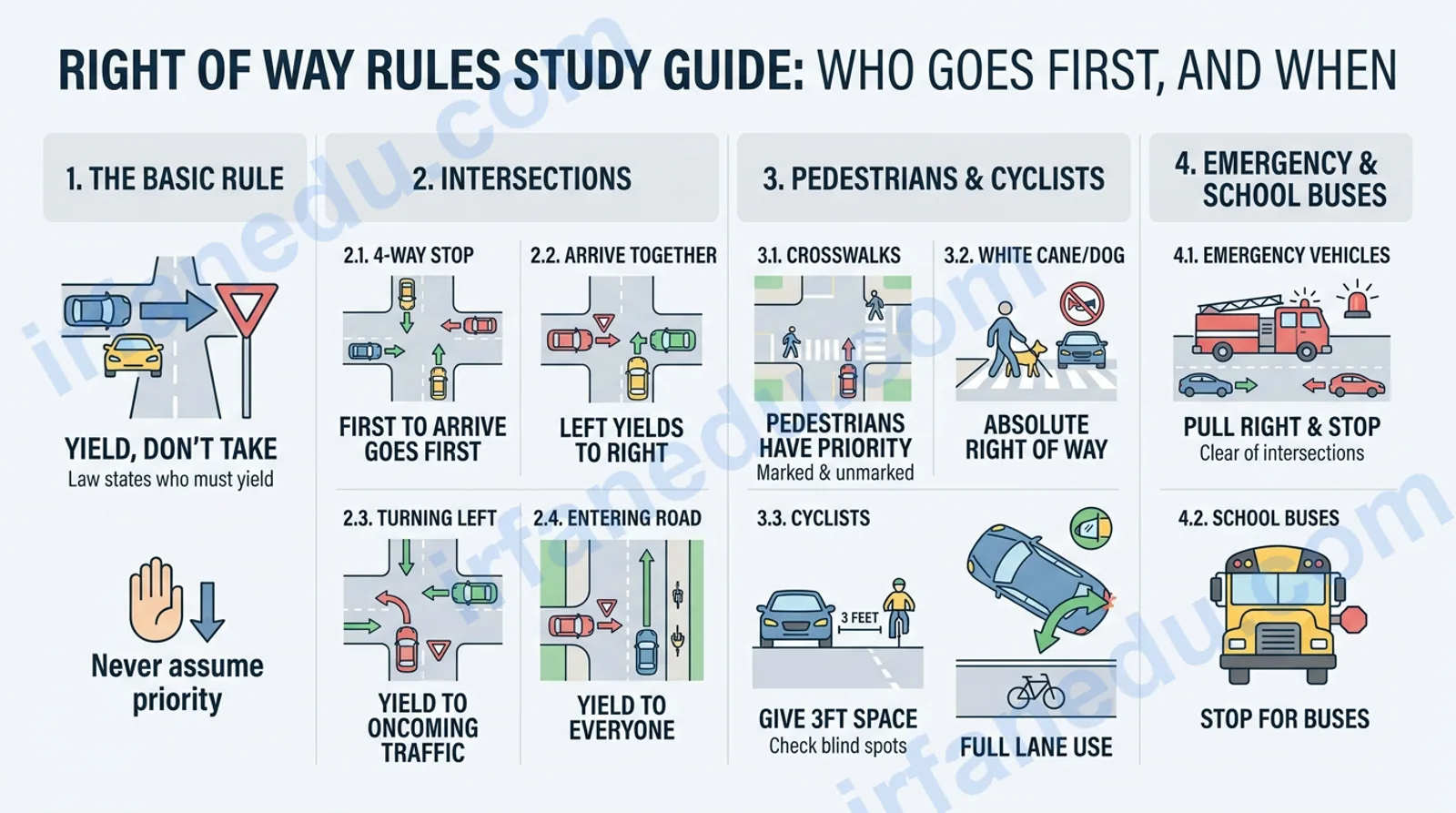
Right-of-way rules resolve conflicts when two road users want the same piece of road at the same time. Never assume you have it. The law does not really grant right of way to anyone; it states who must yield it.
Intersections
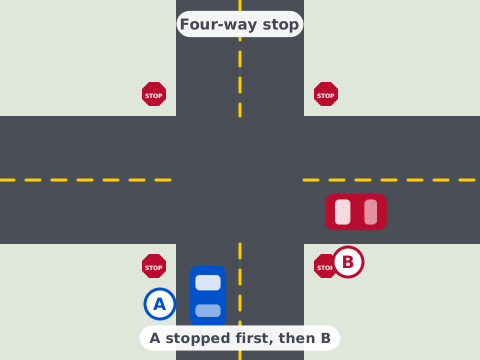
- First to arrive. At a four-way stop, the vehicle that stops first goes first.
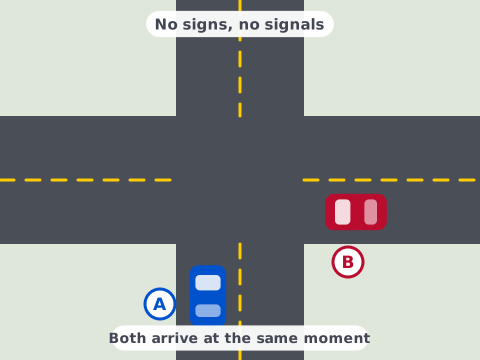
- Yield to the right. If two arrive together, the driver on the left yields to the driver on the right.
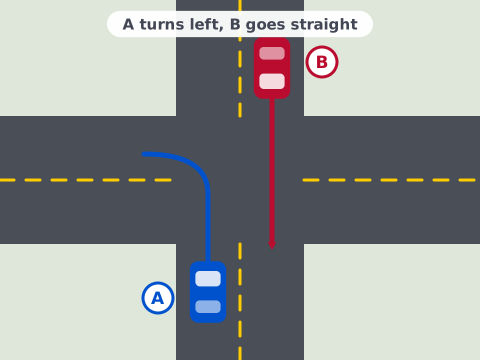
- Turning left. A left-turning driver always yields to oncoming traffic going straight or turning right.
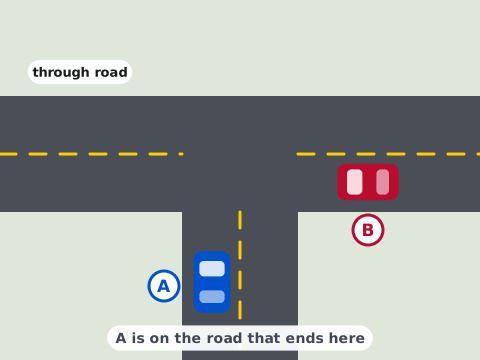
- Entering a road. Coming from a driveway, alley, or private road, you yield to everyone already on the roadway and on the sidewalk you cross.
Roundabouts
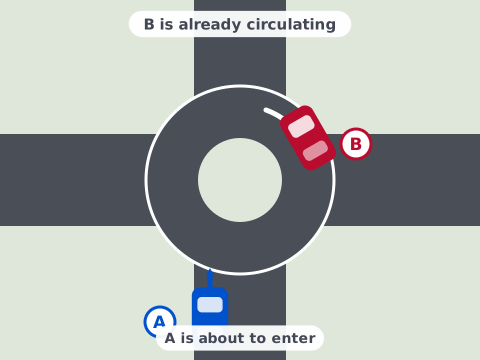
Traffic in a US roundabout travels counterclockwise, and vehicles already circulating have priority. Slow as you approach, look left, enter in a safe gap, and never stop once you are inside the circle.
Pedestrians and Cyclists
The road users with nothing between them and your car.
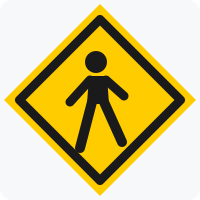
Crosswalks you cannot see
An unmarked crosswalk exists at most intersections even where no lines are painted. Pedestrians have the right of way in marked and unmarked crosswalks alike.
Absolute right of way
A pedestrian using a white cane or accompanied by a guide dog has the right of way in every state. Do not sound your horn, because it masks the traffic sounds they rely on to navigate.
Cyclists
- Three feet. Most states require at least three feet of clearance when passing a bicycle.
- The right hook. Before turning right across a bike lane, check your mirror and blind spot, and merge into the lane where the law allows it.
- Full lane use. A cyclist may lawfully take the whole lane where it is too narrow to share safely.
- Dooring. Check your mirror and glance back before opening a door into the roadway.
Emergency Vehicles and School Buses
The two situations where the rules override everything else.
Emergency vehicles
When you hear a siren or see flashing lights, pull to the right edge of the road and stop, clear of intersections. Stopping inside an intersection blocks the route the emergency vehicle needs to take.
Move Over laws
Every state now requires you to change lanes away from a stopped emergency, tow, or highway maintenance vehicle showing flashing lights. If traffic makes the lane change impossible, slow well below the posted limit as you pass.
School buses
- Yellow lights. The bus is about to stop. Slow down and prepare to stop.
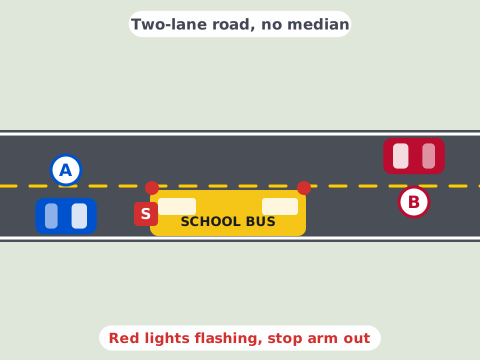
- Red lights and stop arm. Stop and stay stopped until the lights go off and the arm folds in.
- Undivided road. Traffic in both directions must stop.
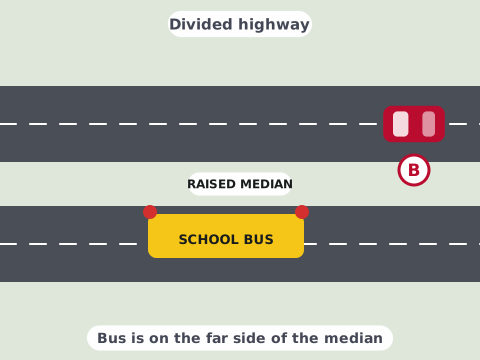
- Divided highway. Most states exempt drivers separated by a physical median, but not all. New York, for example, requires the stop regardless.
The situations, drawn
The same rules as a picture, which is how they turn up on the test.
Check yourself
13 questions on what you have just read. Tap an option to see whether you were right.
Two vehicles reach an uncontrolled intersection at about the same time. Who goes first?
Show the answer
Correct answer: D. The vehicle on the right
When there are no signs or signals and two vehicles arrive together, the driver on the left must yield to the driver on the right. Make eye contact and proceed slowly, because the other driver may not know the rule.
At a four-way stop, you arrive at the same time as a vehicle directly across from you. You are turning left, and the other driver is going straight. Who goes first?
Show the answer
Correct answer: A. The driver going straight
A driver turning left must always yield to oncoming traffic going straight or turning right. The stop sign determines the order of arrival; it does not change the left-turn yield rule.
You are entering a roundabout. You must:
Show the answer
Correct answer: B. Yield to traffic already circulating in the roundabout
In the United States, roundabout traffic travels counterclockwise and vehicles already in the circle have the right-of-way. Slow as you approach, yield to the left, then enter when there is a safe gap. Do not stop inside the roundabout.
You are leaving a driveway and entering a street. You must:
Show the answer
Correct answer: C. Yield to all traffic and pedestrians on the street and sidewalk
A driver entering a roadway from a driveway, alley, or private road must yield to everyone already on it, including pedestrians on the sidewalk you cross. Edge forward slowly until you can see past parked cars.
At an intersection controlled by a stop sign on your road only, you must:
Show the answer
Correct answer: A. Stop, then proceed when the way is clear, yielding to cross traffic
Cross traffic does not stop, so the entire responsibility for judging the gap is yours. Stop at the line, creep forward until you can see, and enter only when you can complete the maneuver without making anyone slow down.
You are approaching an intersection where a pedestrian has stepped into an unmarked crosswalk. You must:
Show the answer
Correct answer: B. Yield to the pedestrian
An unmarked crosswalk exists at most intersections even without painted lines. Pedestrians have the right-of-way in marked and unmarked crosswalks alike, and you must yield.
When you see a pedestrian using a white cane or accompanied by a guide dog, you must:
Show the answer
Correct answer: C. Yield the right-of-way and wait until they have crossed safely
A white cane or guide dog identifies a pedestrian who is blind or has low vision. Every state requires drivers to yield fully. Do not sound your horn, because it can mask the traffic sounds they rely on.
When sharing the road with a motorcycle, you should remember that:
Show the answer
Correct answer: A. They are easy to lose in a blind spot and can be destabilized by wind, gravel, and grooved pavement
A motorcycle’s small profile makes it hard to see and its speed hard to judge. Allow a full lane when passing, keep at least three to four seconds of following distance, and check twice before turning across their path.
Before you open your door into the roadway after parking, you should:
Show the answer
Correct answer: B. Check your mirror and look over your shoulder for traffic and cyclists
Dooring is a leading cause of cyclist injury. Check the mirror and glance back before opening, and open the door only as wide as you need. Some states make dooring a specific offense.
A school bus ahead of you on an undivided two-lane road has stopped with its red lights flashing and stop arm out. You must:
Show the answer
Correct answer: A. Stop and remain stopped until the lights stop flashing and the arm is withdrawn
Traffic in both directions must stop for a school bus with flashing red lights on an undivided road, and remain stopped until the lights go off and the bus moves. Children may cross in front of the bus where you cannot see them.
You are on a divided highway with a raised median and a school bus stops on the opposite side with red lights flashing. In most states you:
Show the answer
Correct answer: B. May continue, because the median physically separates the directions
Most states exempt drivers separated from the bus by a physical barrier or median. A painted center line is not a barrier, so on an undivided road you must still stop. Because the exact rule varies, check your own state handbook.
You hear a siren and see flashing lights behind you. You should:
Show the answer
Correct answer: D. Pull over to the right as soon as it is safe and stop until the vehicle passes
Pull to the right edge of the road and stop, clear of intersections. Stopping in the middle of an intersection blocks the route the emergency vehicle needs. Never follow an emergency vehicle closely to take advantage of the clear path.
The Move Over law requires you to:
Show the answer
Correct answer: A. Change lanes away from a stopped emergency or service vehicle, or slow down if you cannot
Move Over laws protect police, fire, ambulance, tow, and highway maintenance crews working at the roadside. Change lanes to give them a buffer. If traffic makes that impossible, slow well below the limit as you pass.
Answer key
Every answer in one place, in question order.
| No. | Ans | The correct option |
|---|---|---|
| 1 | D | The vehicle on the right |
| 2 | A | The driver going straight |
| 3 | B | Yield to traffic already circulating in the roundabout |
| 4 | C | Yield to all traffic and pedestrians on the street and sidewalk |
| 5 | A | Stop, then proceed when the way is clear, yielding to cross traffic |
| 6 | B | Yield to the pedestrian |
| 7 | C | Yield the right-of-way and wait until they have crossed safely |
| 8 | A | They are easy to lose in a blind spot and can be destabilized by wind, gravel, and grooved pavement |
| 9 | B | Check your mirror and look over your shoulder for traffic and cyclists |
| 10 | A | Stop and remain stopped until the lights stop flashing and the arm is withdrawn |
| 11 | B | May continue, because the median physically separates the directions |
| 12 | D | Pull over to the right as soon as it is safe and stop until the vehicle passes |
| 13 | A | Change lanes away from a stopped emergency or service vehicle, or slow down if you cannot |
More permit test practice
Everything on this site tagged DMV lives in the DMV category.
Sources